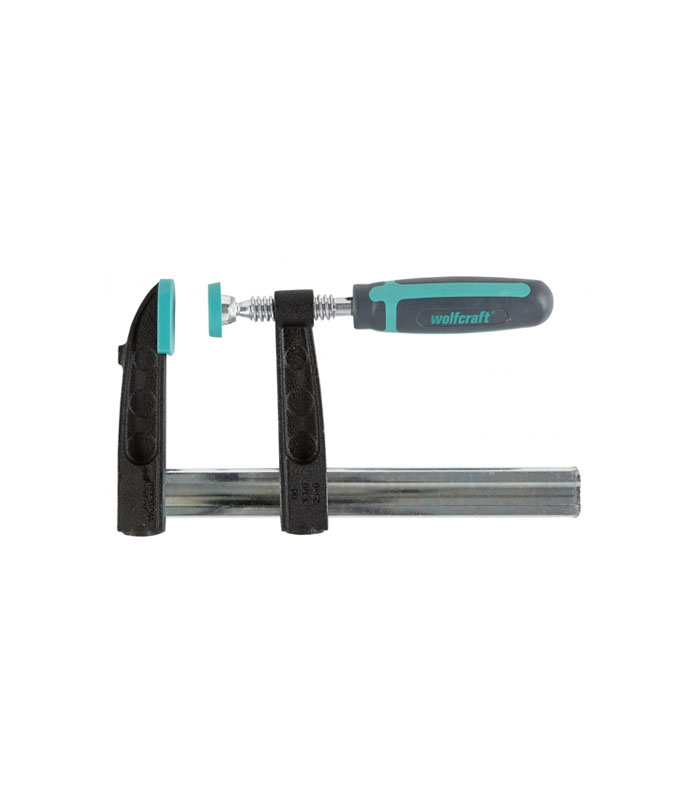
Bar Clamp 450mm
₨0.00 Rs
The Bar Clamp 450mm is a clamp for film and stills production.
MediaVision stocks this consumable in Mauritius for crews working across the Indian Ocean.
Key capabilities
- Clamp as listed: Bar Clamp 450mm
- Focal length 450mm
- Typical use: day-to-day expendable for camera, lighting, grip or unit
- Sold or issued as the listed expendable; quantity on quote
Technical specifications
| Category | Consumables |
|---|---|
| Focal length | 450mm |
Rental
Typically the listed item as supplied by MediaVision. Quantity is confirmed on the quote; do not assume extra rolls, bottles or accessories.
Rental & crew
Stocked by MediaVision in Mauritius and available for productions across the Indian Ocean. Crew can be arranged on request. Share your dates and quantities and we will return availability and a quote.
Related products
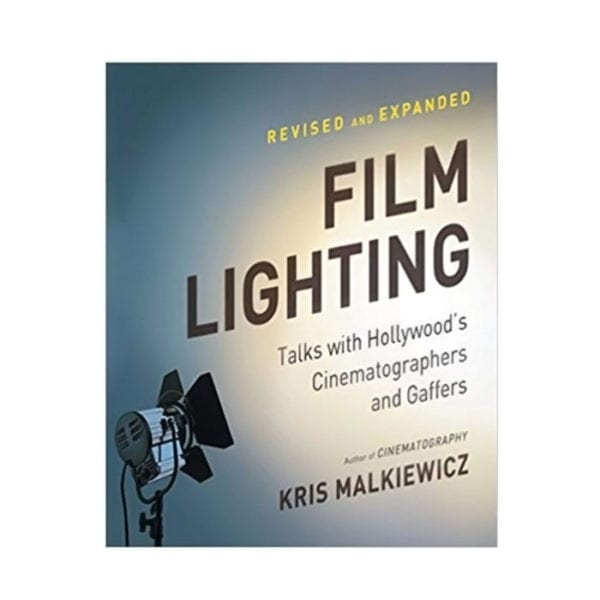
Film Lighting Talks with Hollywood’s Cinematographers and Gaffers by Kris Malkiewicz
Film Lighting is an indispensable sourcebook for the aspiring and practicing cinematographer, based on extensive interviews with leading cinematographers and gaffers in the film industry Film lighting is a living, dynamic art influenced by new technologies and the individual styles of leading cinematographers. Reporting on the latest innovations and showcasing in-depth interviews with industry experts, Film Lighting provides an inside look at how cinematographers and film directors establish the visual concept of the film and use the lighting to help tell the story. This edition provides an invaluable opportunity to learn from the industry’s leaders.
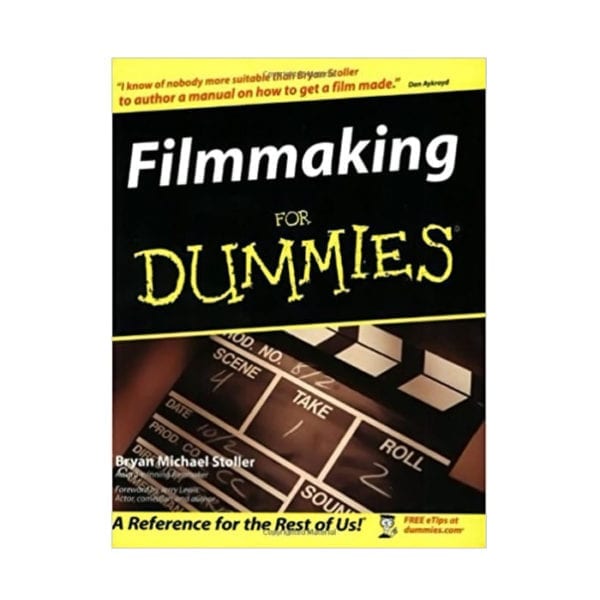
Filmmaking for Dummies by Bryan Michael Stoller
Film is a powerful medium. Successful filmmakers possess the passion to visually tell a story that will affect people's emotions, make them see things differently, help them discover new ideas, or just create an escape for them.
Whether you love the experience of being enthralled by movies or the excitement, challenge, and magic of making the movie yourself, Filmmaking For Dummies is your primer to creating a respectable product. For the seasoned professional, this friendly reference can inspire you with fresh ideas – before you embark on your next big flick. Get ready to roll with expert information on
- Defining the difference between independent and studio films
- Knowing what genre fits your fancy
- Finding perfect locations
- Storyboarding your film
- Directing the action
- Giving credit and titles
Written from the author's 30 years of hands-on work as a writer, producer, and film director, Filmmaking For Dummies carries you through from screenplay to distribution, with lots of experience-packed insight into
- Writing or finding a screenplay
- Raising financing for your film
- Budgeting and scheduling your film
- Hiring the right actors and crew
- Planning, shooting, and directing your film
- Putting your film together in the editing room
- Finding a distributor to get your film in from of an audience
- Entering (and maybe even winning) film festivals
Taking into account the advent of digital technology, author Bryan Michael Stoller focuses on creative elements that apply to both film and video production. He also points our technical differences and notes the many similarities between traditional and newer age making of motion pictures – all in a fun and engaging way that'll have you shooting for the stars!