Film Slate – Elvid 9-Section Acrylic Production Slate with Color Clapper Sticks
₨0.00 Rs
A production slate made of white acrylic designed to be used with dry erase markers. It uses standard-size color clapper sticks to provide visual and audio sync points when using a separate device to record audio (dual-system sound).
A production slate made of white acrylic designed to be used with dry erase markers. It uses standard-size colour clapper sticks to provide visual and audio sync points when using a separate device to record audio (dual-system sound).
MediaVision lists this from Mauritius for customers across the Indian Ocean.
Key capabilities
- Production-support item as listed: Film Slate – Elvid 9-Section Acrylic Production Slate with Colour Clapper Sticks
- A production slate made of white acrylic designed to be used with dry erase markers
- It uses standard-size colour clapper sticks to provide visual and audio sync points when using a separate device to record audio (dual-system sound)
- Typical use: production support, unit or location kit as listed
- Held as the listed item for rental; exact kit on quote
Technical specifications
| Category | Sales > Accessories |
|---|
What’s included
The listed item as supplied by MediaVision. Specification and quantity are confirmed on the quote; do not assume extra accessories.
Rental & crew
Stocked by MediaVision in Mauritius and available for productions across the Indian Ocean. Technical film crew can be arranged on request. Share your dates and package and we will return availability and a quote.
Related products



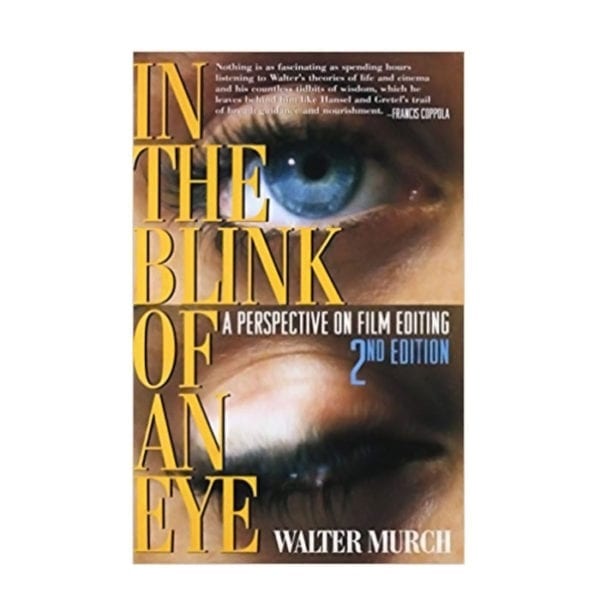
In the Blink of an Eye by Walter Murch
In the Blink of an Eye is celebrated film editor Walter Murch's vivid, multifaceted, thought-provoking essay on film editing. Starting with what might be the most basic editing question - Why do cuts work? - Murch treats the reader to a wonderful ride through the aesthetics and practical concerns of cutting film. Along the way, he offers his unique insights on such subjects as continuity and discontinuity in editing, dreaming, and reality; criteria for a good cut; the blink of the eye as an emotional cue; digital editing; and much more. In this second edition, Murch reconsiders and completely revises his popular first edition's lengthy meditation on digital editing (which accounts for a third of the book's pages) in light of the technological changes that have taken place in the six years since its publication.