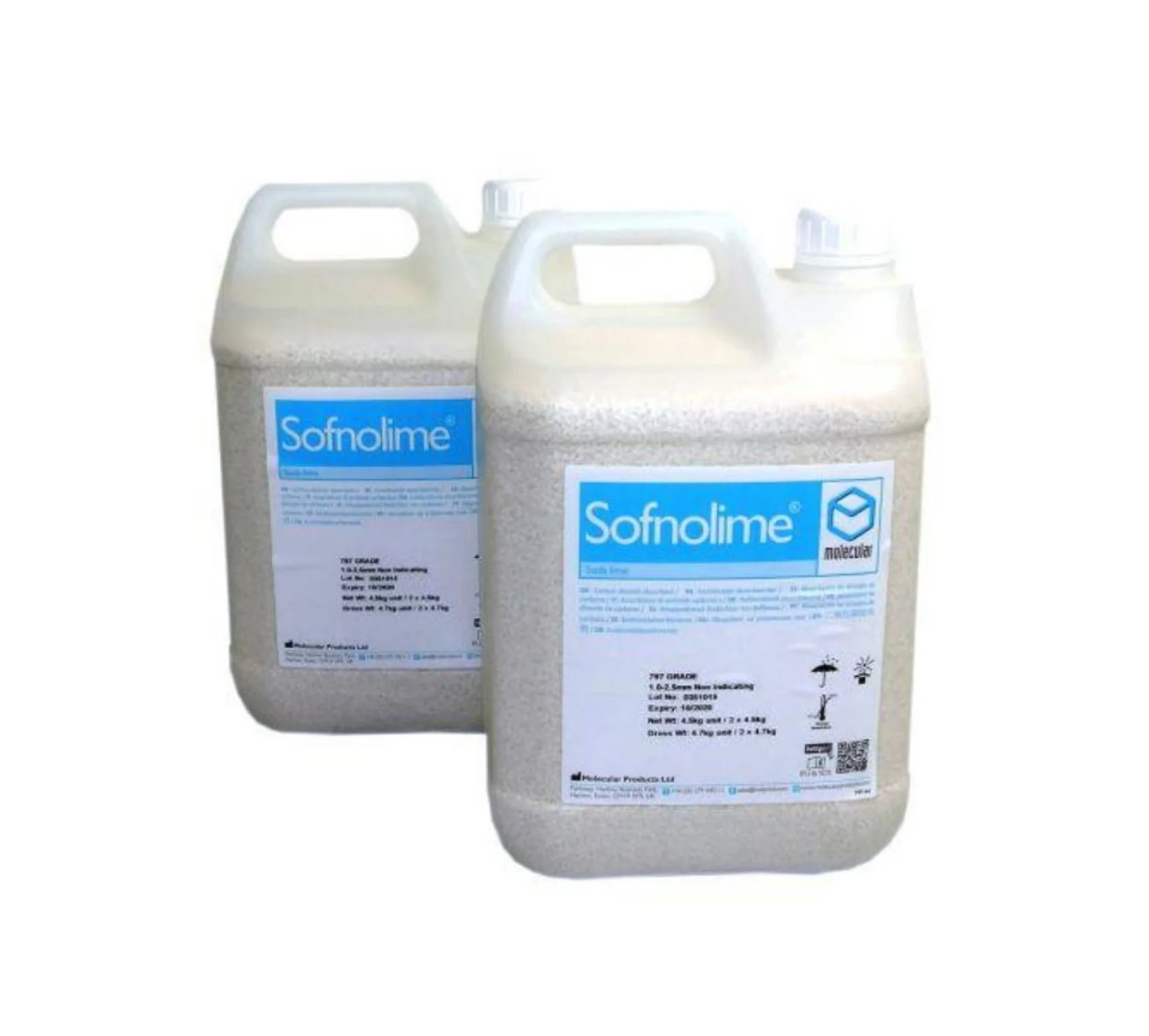
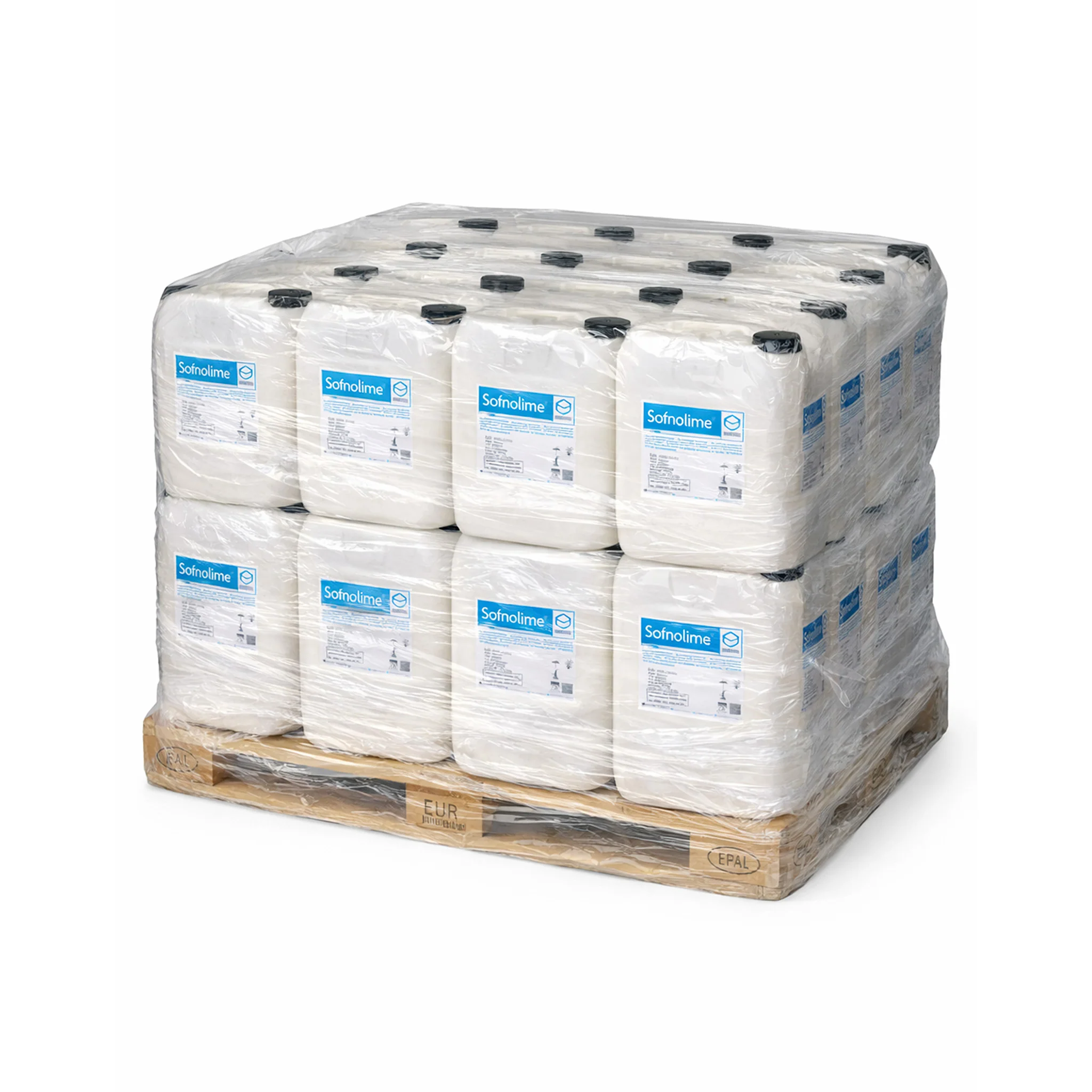

Sofnolime 797 CO2 Absorbent for Rebreathers (Non-Indicating)
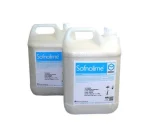
Soda-lime CO2 absorbent (797 grade, non-indicating, 1.0–2.5 mm granule) for closed-circuit rebreathers – enables bubble-free, silent underwater filming. Supplied in 4.5 kg tubs (2 × 4.5 kg per case) or by the pallet, available on request.
| Brand | Molecular Products |
|---|
Soda-lime CO2 absorbent (797 grade, non-indicating, 1.0–2.5 mm granule) for closed-circuit rebreathers – enables bubble-free, silent underwater filming. Supplied in 4.5 kg tubs (2 × 4.5 kg per case) or by the pallet, available on request.
MediaVision rents this from Mauritius for marine productions across the Indian Ocean.
Key capabilities
- Sofnolime underwater production item as listed
- Rental SKU MV-SOFNOLIME-797
- Soda-lime CO2 absorbent (797 grade, non-indicating, 1.0–2.5 mm granule) for closed-circuit rebreathers – enables bubble-free, silent underwater filming
- Supplied in 4.5 kg tubs (2 × 4.5 kg per case) or by the pallet, available on request
- Typical use: marine and underwater cinematography
- Held as the listed item for rental; exact kit on quote
Technical specifications
| Brand | Sofnolime |
|---|---|
| Category | Underwater Equipment |
| SKU | MV-SOFNOLIME-797 |
What’s included
Typically the listed item as rented by MediaVision. Exact kit contents and quantities are confirmed on the quote; extra accessories are not assumed.
Rental & crew
Stocked by MediaVision in Mauritius and available for productions across the Indian Ocean. Technical film crew can be arranged on request. Share your dates and package and we will return availability and a quote.
Related products


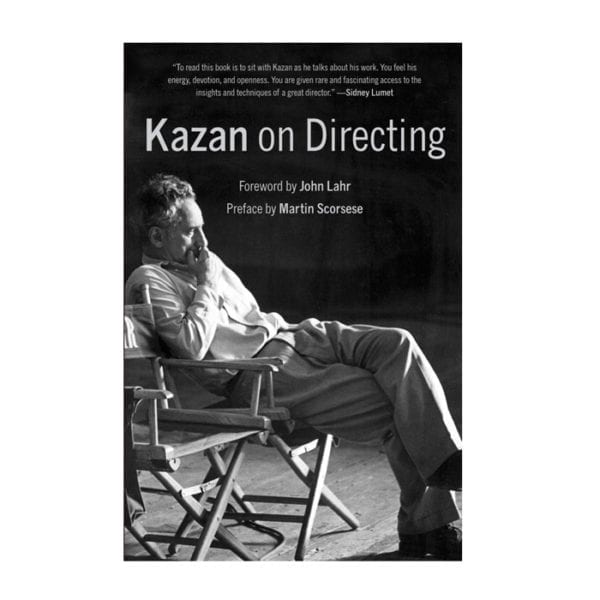
Kazan on Directing by Elia Kazan
Elia Kazan was the mid-twentieth century’s most celebrated director of both stage and screen, and this book shows us the master at work.
Kazan directed virtually back to back the greatest American dramas of the era—by Arthur Miller and Tennessee Williams—and revolutionized theatre and film with dynamic action, poetic staging, and rigorous naturalism. His list of Broadway and Hollywood successes—A Streetcar Named Desire (stage and screen), All My Sons, Death of a Salesman, Cat on a Hot Tin Roof, On the Waterfront, East of Eden, Baby Doll, America America, to name only a few—is a testament to his profound impact on the art of directing. Kazan’s insights into these and other classic stage works shaped their subsequent productions—and continue to do so. There is no directorial achievement in America equal to his.
This remarkable book, drawn from his notebooks, letters, interviews, and autobiography, reveals Kazan’s method: how he uncovered for himself the “spine” or core of each script and each character; how he analyzed each piece in terms of his own experience; how he determined the specifics of his production, from casting and costuming to set design and cinematography. And we see how he worked with writers on scripts and with actors on interpretation.
The final section, “The Pleasures of Directing”—essays Kazan was writing in his last decade—is informal, provocative, candid, and passionate; a wise old pro sharing the secrets of his craft, advising us how to search for ourselves in each project, how to fight the system, and how to have fun doing it.
Published in Kazan’s centenary year, this monumental, revelatory book, edited by Robert Cornfield, is essential reading for everyone interested in American movies and theatre.
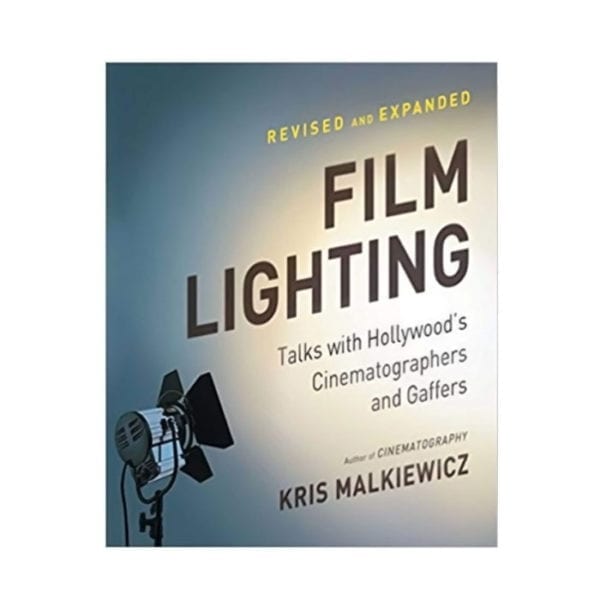
Film Lighting Talks with Hollywood’s Cinematographers and Gaffers by Kris Malkiewicz
Film Lighting is an indispensable sourcebook for the aspiring and practicing cinematographer, based on extensive interviews with leading cinematographers and gaffers in the film industry Film lighting is a living, dynamic art influenced by new technologies and the individual styles of leading cinematographers. Reporting on the latest innovations and showcasing in-depth interviews with industry experts, Film Lighting provides an inside look at how cinematographers and film directors establish the visual concept of the film and use the lighting to help tell the story. This edition provides an invaluable opportunity to learn from the industry’s leaders.